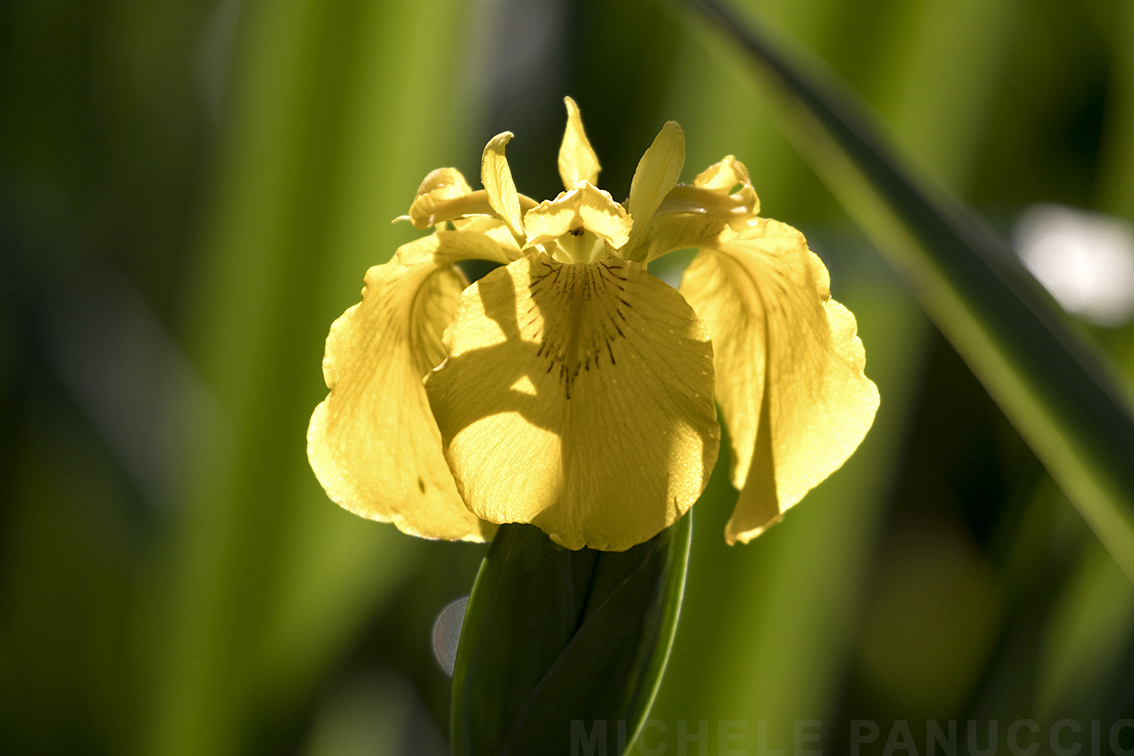
In this ending 2018 I started to study waterbird movements. One of the project is related to the Purple heron and we tagged one individual last summer with a GPS-GSM. This young bird spent months in the area where it was born until a hunter shot it. This happened a few weeks ago and have left me and my colleagues really sad for this criminal act. However we will go on with the project for sure despite this event. Here below a picture of a Purple heron, the tagged juvenile with my colleague Michelangelo Morganti and the radiography.
Saturday, November 24, 2018
Sunday, April 29, 2018
Ponds in April
During migratory seasons everything is possible. This means that is it possible to catch the sight of a rare or unusual bird species almost everywhere. And ponds and wetlands are for sure sites where the chances to observe an unexpected bird species greatly increase. Together with common species that are already breeding, migratory birds stop for a moment or for several days making April one of the best birding months of the year. Here below some pictures that I took this month during some easy walks.
Tuesday, March 6, 2018
Wintering raptors in central Italy
As many other winters in the last years I promoted road counts of wintering raptors, this year in central-western Italy. As expected the commonest species were Common buzzards and Kestrels, however several other species were observed. The most unexpected one was the Long-legged buzzard wintering in an inland area of Latium. Taking a first look to the results, the distribution of wintering raptors looks really disomogeneous with very low density across most of the investigated territory and a few patches with high density of raptors and well stuctured communities. These area are located along the coastline whit existing protected areas. Here below a couple of pictures of wintering Common buzzards.
Wednesday, February 28, 2018
Migration around the Caspian Sea
I was in Iran last autumn together with two excellent local researchers to verify if it exists a migratory flyway of raptors between the southern coast of the the Caspian Sea and the Alborz mountain. The results were exciting since we observed the passage of hundreds of Steppe Eagles and other raptors, storks and bee-eaters. Our field survey reveals that the area is a migratory bottle-necks of paramount importance for Palearctic raptors. Everything there was impressive, the high mountains, the steppic area, the Gorgan Bay with tens of thousands waterbirds and, of course, the migration.
Here below a few pictures of eagles.
Thursday, February 1, 2018
I love you Cormorant!
Cormorants are probably the most evident waterbirds, apart from gulls, easy to observe along the Tiber river downtown Rome. During winter they give an easy touch of wildlife between the old bridges and the survived trees. However their number greatly vary and seems to have decreased in the last twenty years. Nobody care about it, as anything else related to wildlife, but it might be caused by a drop in fish density in the river.
Sunday, December 31, 2017
Cattle egrets gliding... in the last day of the year!
During the day cattle egrets disperse over a large territory, feeding over pastures and cultivated fields, following sheeps and cows. But when the sunset arrives, they roost together mostly on wetlands. Cattle egrets glide reaching the trees where they will spend the night close to each other.
Tuesday, April 18, 2017
Enjoy the silence
During the month of march the mountain has still a winter look rather than a spring one. Silence envelops the whole forest, birds are not singing yet, and few migratory birds arrive on the high ridges. Only the sound of trees moved by the wind breaks the silence of the beech wood. This is exactly the time of the year in which the Aspromonte mountain shows his wildest and impressive side.
Subscribe to:
Posts (Atom)